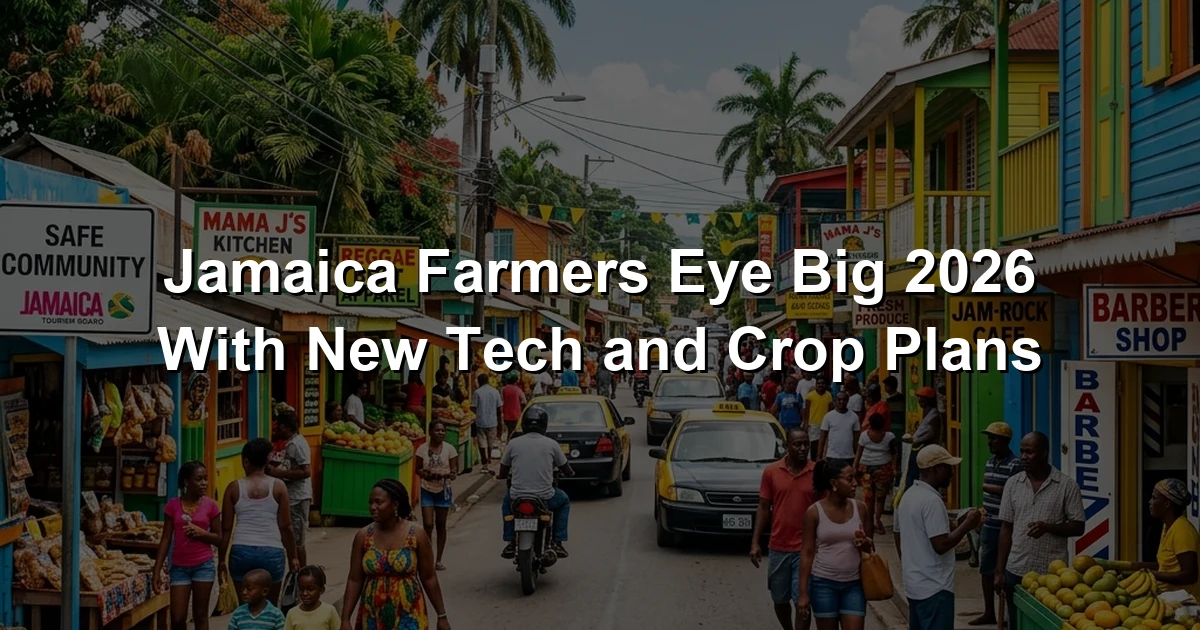
New Direct Flights to Jamaica: Boosting the Local Economy
New Direct Flights to Jamaica: Boosting the Local Economy If you’ve been following the news lately, you might have seen the headlines: “New Direct Flights to Ja...
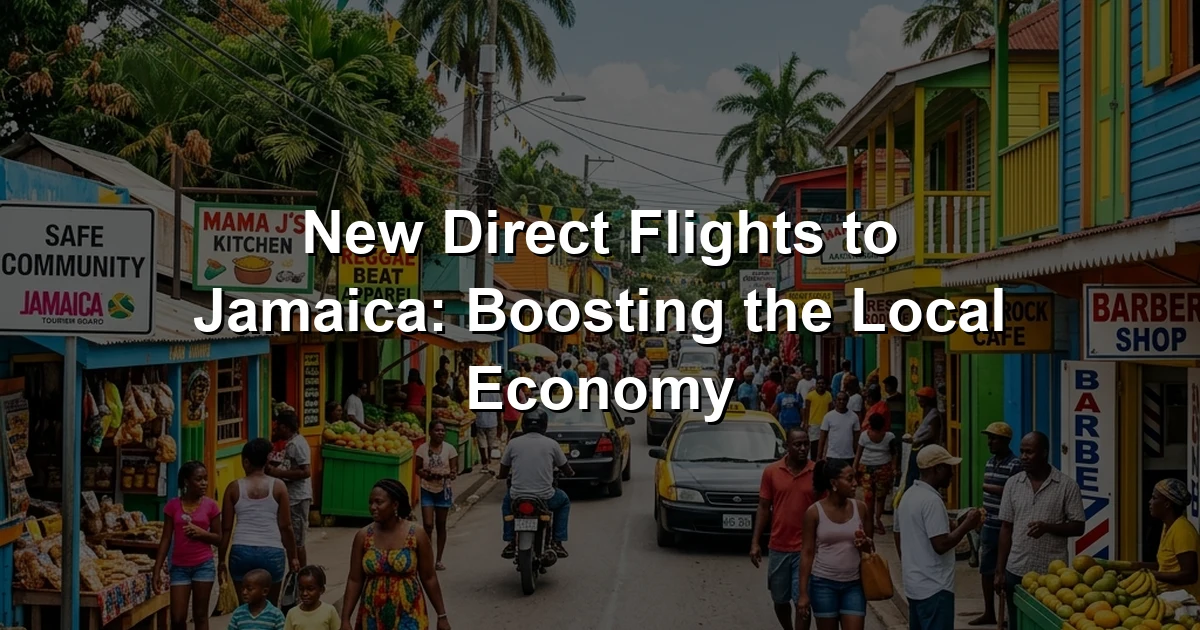
New Direct Flights to Jamaica: Boosting the Local Economy
If you’ve been following the news lately, you might have seen the headlines: “New Direct Flights to Jamaica Announced.” From London to Montego Bay, Toronto to Kingston, and even emerging routes from South America and the Middle East, the skies are getting busier. But for the average Jamaican—whether you’re a business owner in Ocho Rios, a taxi operator in Negril, or a farmer in St. Elizabeth—what does this really mean?
Need Expert Assistance?
Our team is here to help you easily navigate this process. Reach out to us today!
Let’s get one thing straight: these flights aren’t just about filling seats. They are a direct injection of cash into the Jamaican economy. But as with any boom, the question is: how do we make sure that money stays here and works for us?
The Immediate Impact: More Visitors, More Spending
First, the numbers. According to the Jamaica Tourist Board, each visitor spends an average of US$120–$150 per day. Multiply that by a new daily flight carrying 250 passengers, and you’re looking at an extra US$30,000 to $37,500 entering the economy every single day from just one route. Over a year, that’s over US$11 million—from one flight.
But that’s the surface. The real story is about spread. When direct flights land in Montego Bay, the money doesn’t just stay in the resort corridor. It trickles down to the craft vendor in Lucea, the jerk chicken seller in Falmouth, the tour guide in the Cockpit Country, and the hotel housekeeper whose job is now more secure.
Take the new direct route from Frankfurt to Kingston, for example. That’s a big deal for the south coast. Tourists who previously had to connect through Miami or New York can now land in the capital and head straight to the Blue Mountains, Port Antonio, or Treasure Beach. That means more guests for small guesthouses, more orders for local coffee farmers, and more demand for authentic cultural experiences.
The Ripple Effect on Small Businesses
Here’s where the deep insight comes in. In Jamaica, tourism is not just an industry—it’s a network of thousands of micro-entrepreneurs. When a new direct flight arrives, it doesn’t just benefit the big all-inclusive resorts. It benefits:
- The produce farmer who supplies callaloo and ackee to hotels.
- The transport operator who shuttles guests from the airport to Airbnbs.
- The local artist whose paintings now have a market in the hotel gift shop.
- The entertainer who performs at weekly street parties.
But there’s a catch. To truly benefit, these small operators need to be ready. And right now, many are not.
Actionable Advice for Jamaicans: How to Prepare for the Influx
If you’re a small business owner, a tourism worker, or someone looking to capitalize on this wave, here are specific steps you can take:
1. Get Certified and Registered
The Jamaica Tourist Board and the Tourism Enhancement Fund offer free or low-cost training in customer service, food safety, and tour guiding. If you’re a craft vendor, get your license. If you’re a taxi operator, ensure your car is registered and meets safety standards. Tourists are more likely to spend with someone who looks professional and legit.
2. Embrace Digital Payments
Cash is still king in many parts of Jamaica, but tourists prefer cards, Apple Pay, or even cryptocurrency. Get a point-of-sale (POS) terminal or use a service like Lynk or PayPal. If you’re a tour operator, accept deposits via bank transfer. The easier you make it to pay, the more they will spend.
3. Create a Unique Experience
Everyone has a beach. But not everyone has a guided tour of a working cocoa farm in St. Mary, or a cooking class in a rural kitchen in St. Elizabeth. Use your local knowledge to create packages that can’t be found on TripAdvisor. Partner with a local chef, a musician, or a historian. Tourists are looking for “authentic Jamaica”—give it to them.
4. use Social Media and Local SEO
When a tourist lands in Jamaica, they search “best jerk chicken near me” or “things to do in Portland.” Make sure your business shows up. Claim your Google Business Profile. Post regularly on Instagram and TikTok. Use hashtags like #JamaicaLocal, #VisitJamaica, and #HowJamaica. Don’t wait for the hotel to promote you—promote yourself.
5. Collaborate, Don’t Compete
If you’re a craft vendor, partner with a local chef to offer a “market-to-table” experience. If you’re a driver, team up with a tour guide to offer a full-day package. The new flights bring more visitors, but they also bring more competition. The ones who survive and thrive are the ones who work together.
Deep Insight: The Risk of Leakage
Here’s a reality check: not all the money from tourism stays in Jamaica. “Leakage” is the term economists use when money flows out of the local economy—to foreign-owned hotels that import food, to international airlines, to tour operators based overseas. Studies show that in some Caribbean destinations, up to 80% of tourism revenue leaves the country.
Jamaica has been fighting this for years. The Tourism Linkages Network, a government initiative, encourages hotels to buy locally. But you, as a business owner, can also fight leakage. When you buy supplies from a local farmer instead of a wholesaler, you keep the money in the community. When you recommend a local restaurant instead of a chain, you support a neighbour.
The Long-Term View: Infrastructure and Sustainability
More flights mean more pressure on infrastructure. Roads, airports, water supply, and waste management all need to keep up. The government has announced plans to expand Sangster International Airport and upgrade the Norman Manley Highway. But as citizens, we need to hold them accountable. A pothole on the road from Kingston to Port Antonio isn’t just an inconvenience—it’s a lost opportunity.
Also, we must be careful not to destroy the very thing tourists come to see. Over-tourism can damage coral reefs, pollute beaches, and price locals out of their own communities. Sustainable tourism isn’t just a buzzword—it’s survival. Support eco-friendly initiatives, refuse single-use plastics, and advocate for responsible development.
Conclusion: This Is Our Moment
New direct flights to Jamaica are more than a headline. They are a lifeline for a post-pandemic economy, a chance to rebuild stronger, and an opportunity to share our culture with the world on our own terms.
But the benefits won’t fall from the sky. They will come from preparation, collaboration, and a fierce commitment to keeping the money in Jamaica. Whether you’re a hotelier in Negril or a farmer in the hills of St. Ann, this is your moment.
So get ready. The planes are coming. And when they land, make sure Jamaica is ready to welcome them—not just with a smile, but with a plan.
What do you think about the new flights? Share your thoughts in the comments below or tag us on social media @HowJamaica.