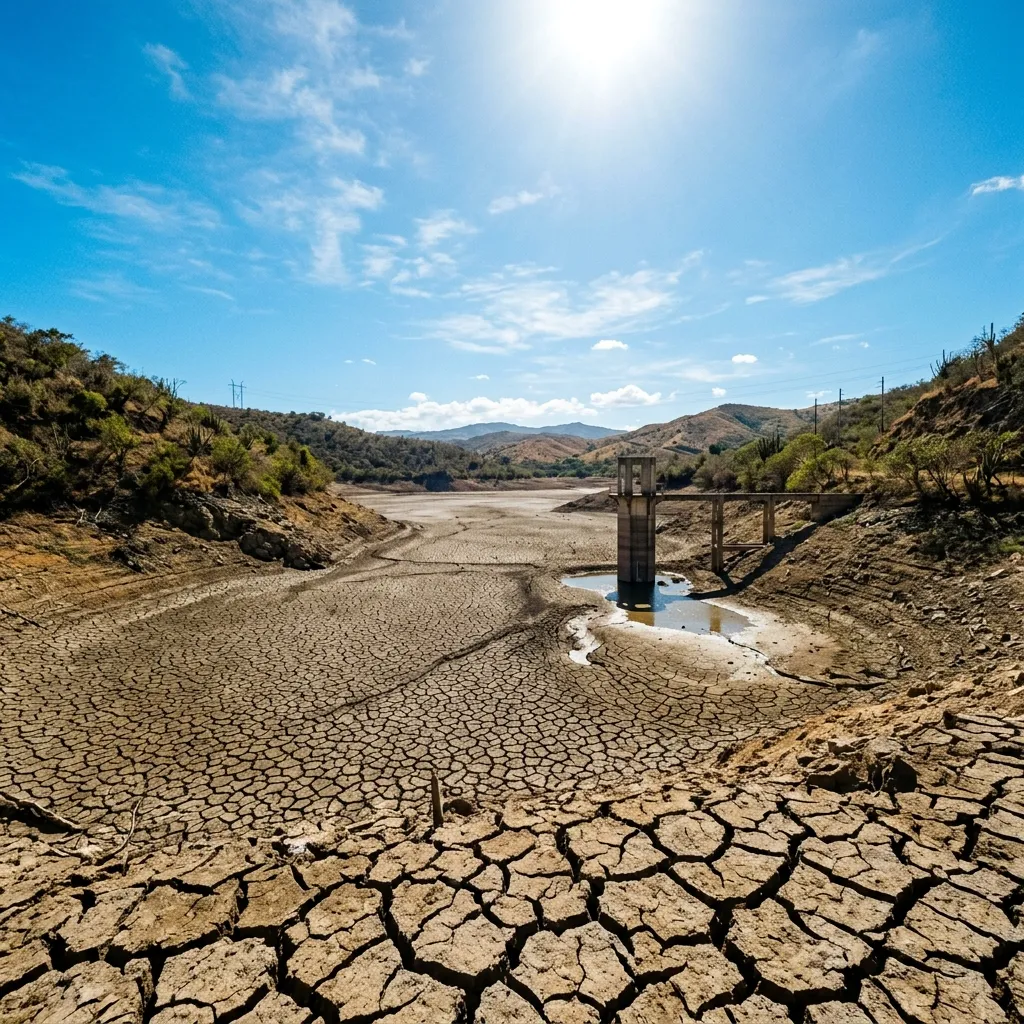
Jamaica Battles Rising Seas: Portland Cottage Residents Sound ...
Climate change is hitting Jamaica's south coast hard. Portland Cottage residents face rising seas, lost homes, and calls for urgent government action. Read the full report from HowJamaica.com.
Jamaica Battles Rising Seas: Portland Cottage Residents Sound Alarm
PORTLAND COTTAGE, Clarendon — That salty water creeping into yards and homes down here isn’t just an annoyance. It’s a loud, clear warning that Jamaica’s climate is shifting faster than a lot of us can keep up with.
Folks along the south coast say high tides and storm surges are hitting them regular now. They’re swallowing up bits of the road, forcing families to jack up their floors, or just pack up and leave their homes behind.
“The sea just tekking over we land, man. Mi grow up here and mi never see it so bad. Last month during the high tide, the water come right into mi kitchen. We had to move mi fridge and stove out quick time,” said Carlton “Cally” Brown, a 64-year-old fisherman and father of seven who’s lived in Portland Cottage for over 40 years. “If government nuh do something fast, we nuh have nowhere else fi go.”
According to the Meteorological Service of Jamaica, sea levels around the island have jumped by about 6.8 inches since 1990. And they’re projecting another 1.5 to 2 feet of rise by the year 2100 if the world keeps pumping out emissions at the current rate.
On April 10, 2025, the Ministry of Economic Growth and Job Creation dropped a report showing that nearly 15 kilometres of coastline across St. Elizabeth, Clarendon, and St. Thomas have taken a serious beating from erosion in the last five years. The report calls out Portland Cottage as one of the most vulnerable spots, with over 200 households already feeling the pinch.
“We are seeing more intense rainfall events and stronger storms. The combination of sea level rise and land degradation is making life very difficult for coastal communities,” said Dr. Simone Miller, a climate specialist at the University of the West Indies, Mona campus. “We need both national adaptation plans and community-led solutions.”
The National Environment and Planning Agency (NEPA) is currently working on a mangrove restoration project along the Clarendon coast. They’re aiming to plant 10,000 mangrove seedlings by October 2025. Mangroves act as natural barriers against storm surges and help hold the shoreline together.
But for residents like Brown, things just aren’t moving fast enough.
“Dem plant some trees and dem talk about studies, but the water nuh wait fi no study. We need sea wall and proper drainage now. Is we life and we livelihood at stake,” he said, pointing to a nearby boat that now sits half-buried in sand that wasn’t there two years ago.
The World Bank has set aside US$25 million under the Jamaica Disaster Vulnerability Reduction Project for coastal protection works. But the money’s been held up because of procurement issues. The project is expected to be finished by 2027.
What you can do: If you live in a coastal area, check your property for signs of erosion or flooding. Report damage to your local parish council and the NEPA hotline at 1-888-991-5005. Plant native trees or mangroves if you’ve got waterfront land — every root helps hold the soil. And stay on top of weather alerts from the Met Office.
Need help? Email us at admin@howjamaica.com.
Own or Inherited Land in Jamaica? Verify Registered Title Records Online
Don't leave family property at risk of capture or boundary disputes. Our researchers pull official National Land Agency (NLA) records and send a plain-English report with a WhatsApp voice note within 48 hours. From $29.99 USD flat.
Check Land Title Records (From $29.99) →Join 5,000+ Jamaicans in the Diaspora 🇯🇲
Get daily Jamaican news breakdowns, live forex rate alerts, customs duty tips, and exclusive diaspora guides straight to your phone.