Quick Summary
-
The Paul Bogle Highway remains Jamaica’s main toll route between Portmore and Kingston
-
2026 toll rates are expected to follow gradual, inflation-linked adjustments, not sudden spikes
-
Private cars, taxis, buses, and trucks all pay different toll classes
-
Cashless payment (TAG/Lane Pass systems) continues to be the fastest option
-
Commuters should budget for small annual increases, especially during peak travel years
Introduction
If you commute between Portmore and Kingston, the Paul Bogle Highway isn’t optional—it’s essential. As 2026 approaches, many drivers are searching for clarity on Paul Bogle Highway toll rates and whether costs will jump again. This guide breaks down what to realistically expect in 2026, how toll pricing works, and how to reduce what you pay over the year.
What Is the Paul Bogle Highway?
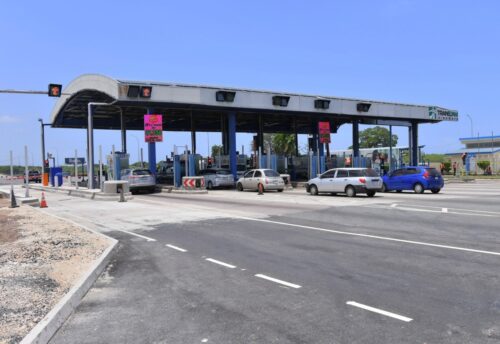
The Paul Bogle Highway—often still called the Portmore Causeway—is a tolled roadway linking Portmore to Kingston across Kingston Harbour. It is operated by TransJamaican Highway Limited, the same company responsible for Highway 2000.
Why It Matters
-
Serves over 100,000 daily commuters
-
Cuts travel time from 45–60 minutes to ~15 minutes
-
Critical for workers, students, logistics, and emergency access
Paul Bogle Highway Toll Rates 2026 (Expected)
⚠️ Important note: Official 2026 toll rates have not yet been formally published. Jamaica’s toll roads typically adjust prices incrementally, based on inflation and concession agreements—not dramatic year-to-year jumps.
Below is a planning-based estimate, reflecting historical adjustment patterns rather than guaranteed pricing.
Estimated Toll Rates by Vehicle Class (2026)
| Vehicle Type | Expected 2026 Toll (JMD) |
|---|---|
| Private car / small motor vehicle | $300 – $400 |
| Public passenger vehicle (PPV) | $600 – $700 |
| Light commercial vehicle | $600 – $800 |
| Heavy trucks & articulated vehicles | $1,200 – $1,600 |
These figures assume modest annual increases, similar to previous years.
Why Toll Rates Increase Over Time
Toll pricing on the Paul Bogle Highway is governed by long-term concession agreements. Increases are usually tied to:
1. Inflation Adjustments
Annual indexation ensures operating costs keep pace with inflation.
2. Maintenance & Safety
-
Road resurfacing
-
Drainage upgrades
-
Toll plaza technology and staffing
3. Currency & Financing Costs
Many infrastructure loans are denominated in foreign currency, influencing toll revisions.
Payment Options on the Paul Bogle Highway
Drivers in 2026 will continue to use multiple payment methods, but cashless remains king.
Available Payment Methods
-
Cash (JMD)
-
TAG / Lane Pass (RFID transponder)
-
Fleet accounts for commercial vehicles
Why Cashless Saves You Time
-
Faster toll lane access
-
Reduced congestion during peak hours
-
Lower risk of delays when toll booths are busy
How to Reduce Your Toll Costs in 2026
If you’re a daily commuter, tolls add up quickly. Here’s how drivers minimize expenses:
Smart Cost-Saving Tips
-
Use a TAG account for faster passage
-
Combine trips to reduce daily crossings
-
Avoid peak congestion windows (6:30–8:30 AM, 4:30–6:30 PM)
-
Carpool when possible
-
Track annual toll spend for budgeting
For frequent users, even small savings per trip can add up to thousands of dollars per year.
Paul Bogle Highway vs Alternative Routes
While free alternatives exist, they come with trade-offs.
Toll Road vs Free Roads
| Option | Time | Fuel Cost | Stress Level |
|---|---|---|---|
| Paul Bogle Highway | Fast | Lower | Low |
| Non-toll routes | Slow | Higher | High |
For most commuters, time savings outweigh toll costs, especially during workdays.
What to Watch for in 2026
Drivers should stay alert for:
-
Official toll adjustment announcements
-
TAG promotions or commuter discounts
-
Lane upgrades or toll plaza changes
-
Policy updates from the Ministry of Transport
Toll updates are typically announced ahead of implementation, giving commuters time to adjust budgets.
Final Takeaway
The Paul Bogle Highway will remain a paid but indispensable route in 2026. While toll rates may rise slightly, increases are expected to be measured and predictable, not sudden shocks. Planning ahead, using cashless options, and budgeting realistically will help drivers manage costs while enjoying faster, safer travel.