If you’ve been trading Boom and Crash or synthetic indices on Deriv, you’ve probably heard about Smart Money Concepts (SMC). But how do you apply an SMC trading strategy for Volatility 75 index in a way that actually produces structured, repeatable setups?
Volatility 75 (VIX 75) is fast, aggressive, and unforgiving. Without structure, it will drain accounts quickly. With SMC, however, you trade with logic instead of emotion.
Let’s break it down properly.
Quick Summary
-
SMC trading strategy for Volatility 75 index focuses on liquidity, order blocks, and market structure.
-
Volatility 75 respects structure strongly on higher timeframes.
-
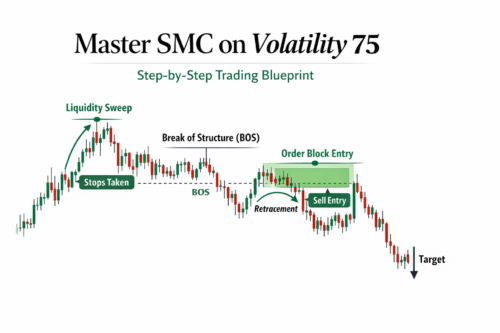
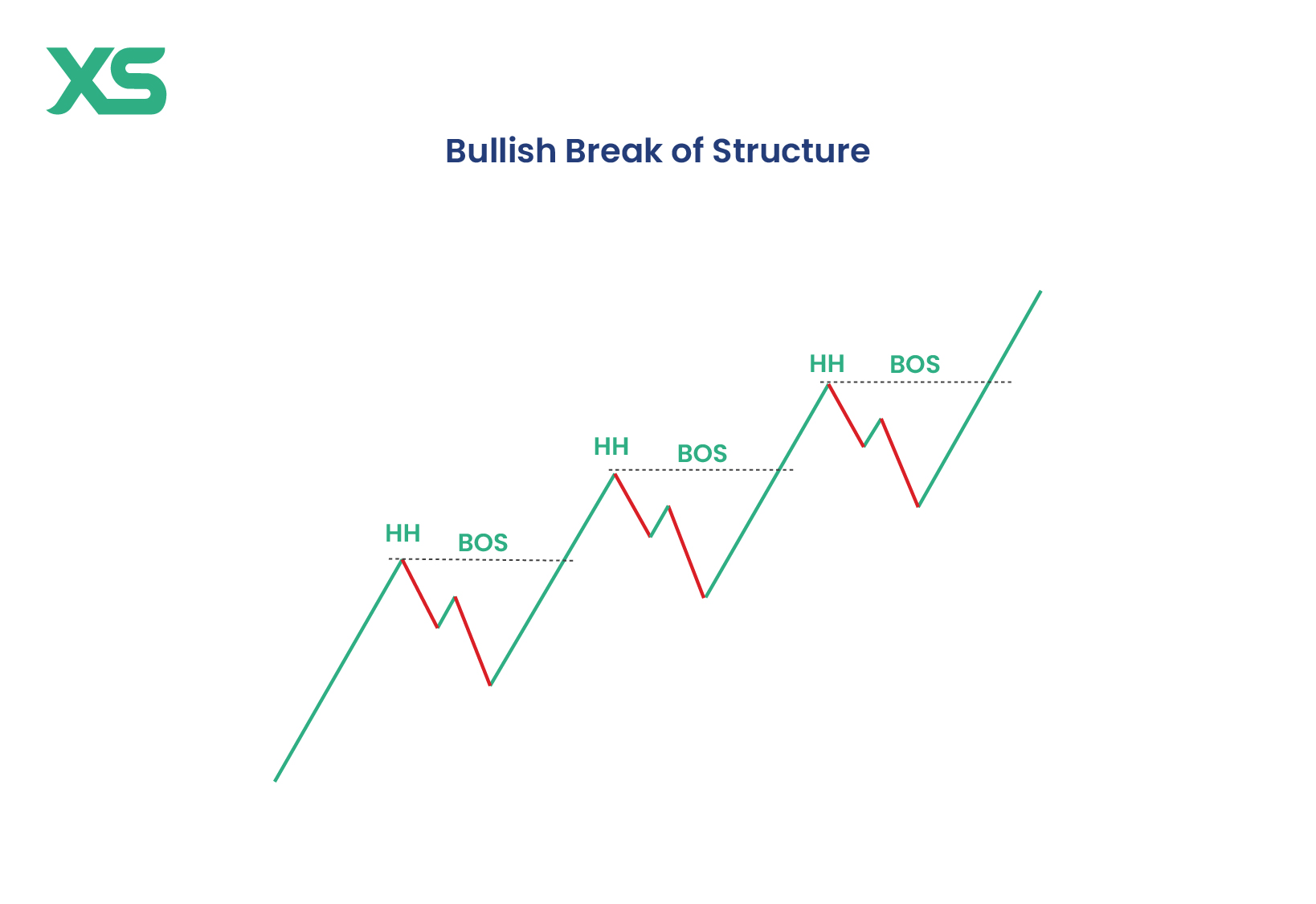
The best entries come after liquidity sweeps + BOS (Break of Structure).
-
Risk management is non-negotiable due to V75 volatility.
-
Withdrawals matter — know your broker process (see related resource below).
What Is Volatility 75 Index?

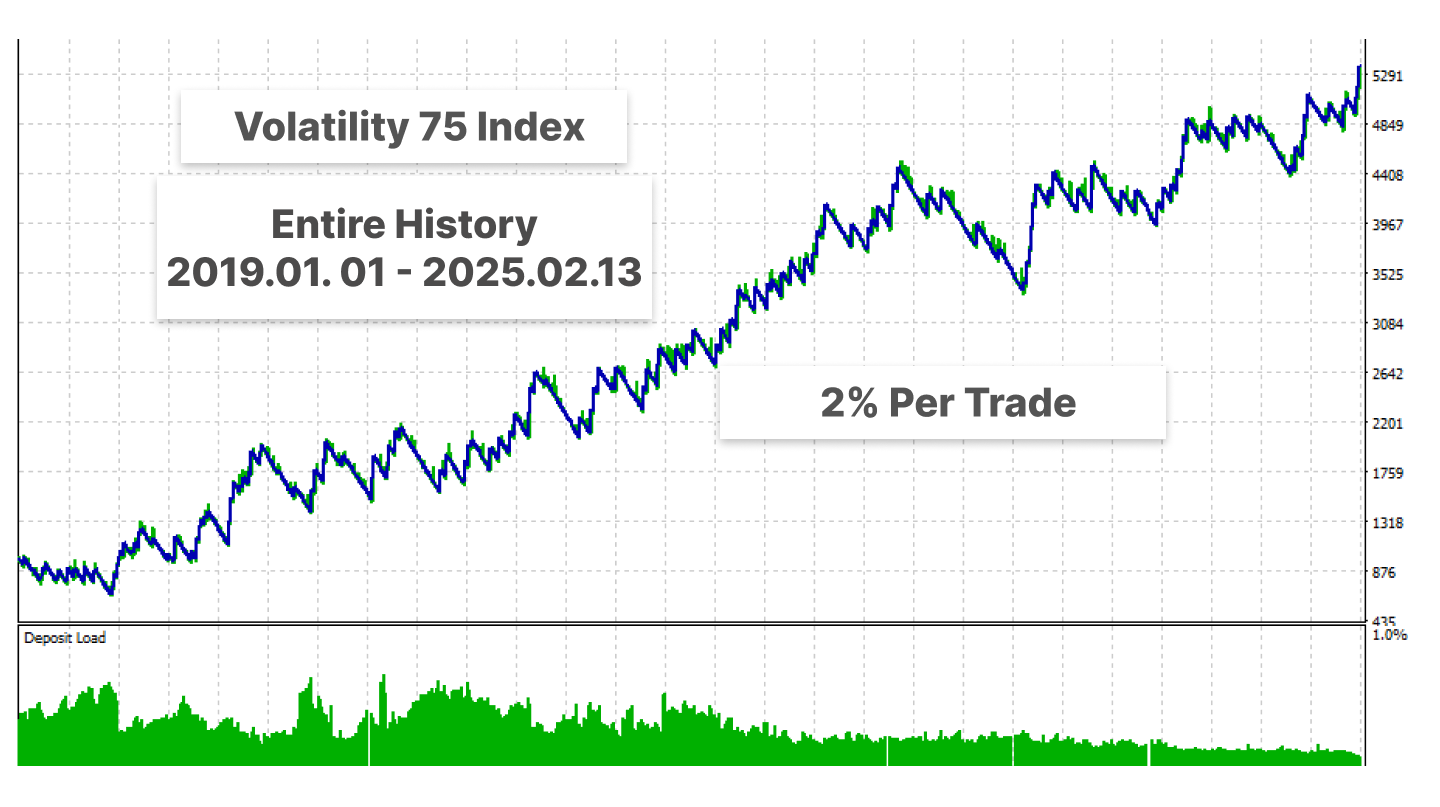
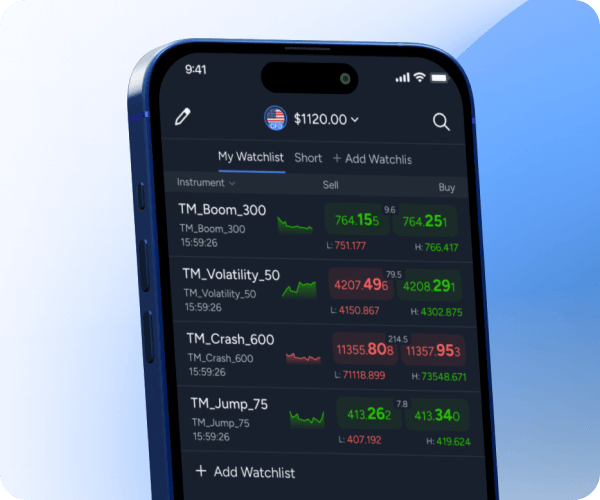
The Volatility 75 index (VIX 75) is a synthetic index offered by Deriv that simulates constant 75% volatility. Unlike forex pairs, it runs 24/7 and isn’t influenced by news events.
Key characteristics:
-
High volatility
-
Large candle ranges
-
Strong impulsive moves
-
Deep pullbacks
-
Runs liquidity aggressively
Because of this, traditional retail indicators often fail. That’s where Smart Money Concepts come in.
What Is SMC (Smart Money Concepts)?
SMC is based on the idea that institutions (smart money) move markets by:
-
Grabbing liquidity
-
Inducing retail traders
-
Creating imbalances
-
Moving price from premium to discount zones
Instead of using random indicators, you focus on:
-
Market structure (HH, HL, LH, LL)
-
Break of Structure (BOS)
-
Change of Character (CHoCH)
-
Order Blocks
-
Liquidity pools
-
Fair Value Gaps (FVG)
Now let’s combine this with Volatility 75.
Core SMC Trading Strategy for Volatility 75 Index
1. Start With Higher Timeframe Structure (H1 / H4)
V75 respects higher timeframe levels strongly.
Step 1:
-
Identify overall trend (bullish or bearish).
-
Mark strong highs and lows.
-
Wait for a clear BOS.
Never start from M1 blindly.
2. Wait for Liquidity Sweep
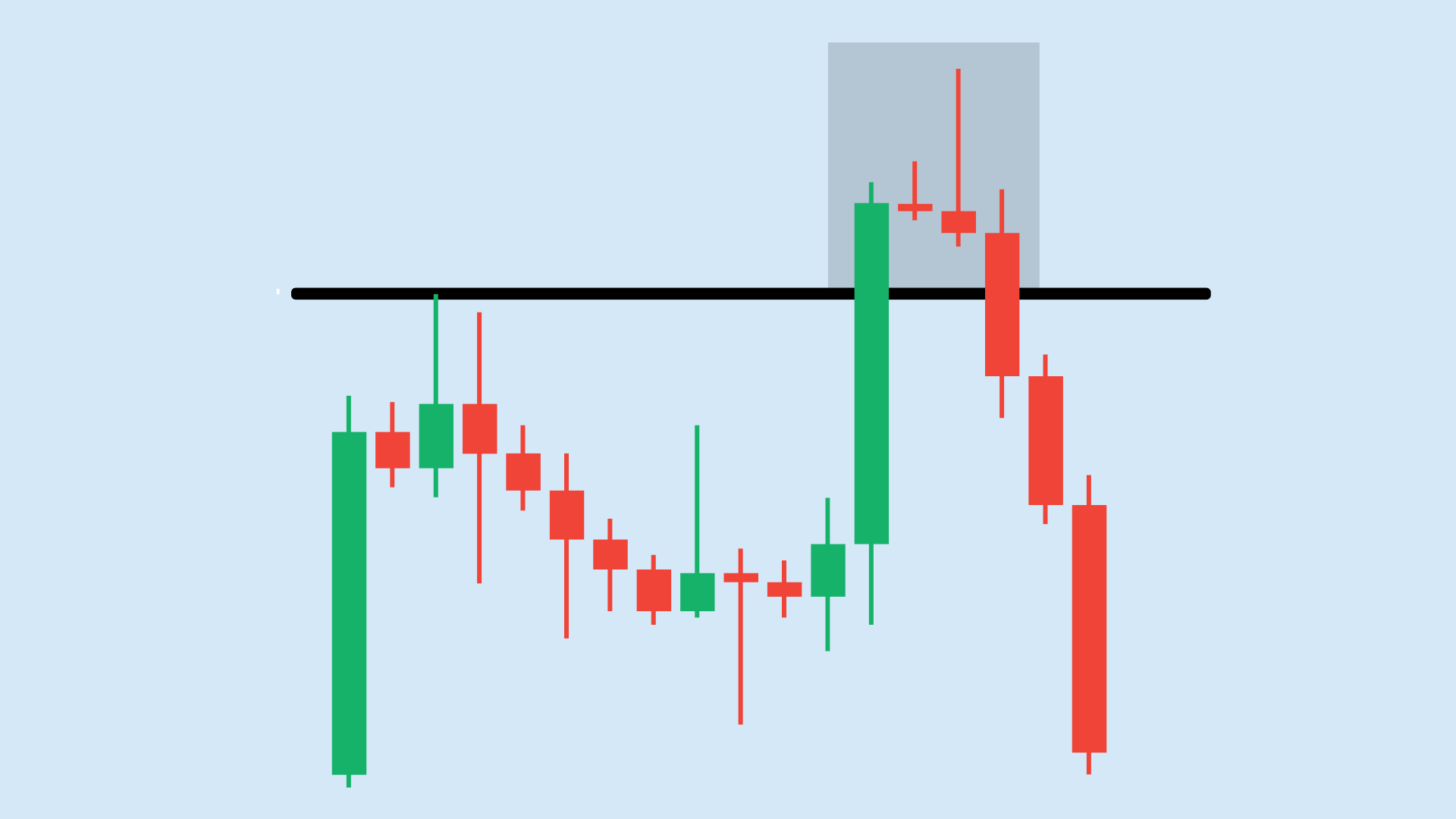

Volatility 75 loves sweeping:
-
Equal highs
-
Equal lows
-
Previous day high/low
-
Obvious support/resistance
Smart money takes liquidity first — then moves price.
If price doesn’t sweep liquidity first, your setup is incomplete.
3. Confirm Break of Structure (BOS)
After liquidity is taken:
-
Look for strong impulsive candle.
-
Structure must break clearly.
-
The move should create imbalance.
This confirms smart money direction.
No BOS = No trade.
4. Enter at Order Block or Fair Value Gap
Best entries:
-
Mitigation of last bearish/bullish candle before impulsive move.
-
Retrace into FVG.
On Volatility 75:
-
Use M5 or M15 for entries.
-
Avoid chasing impulsive candles.
-
Let price come to you.
Example Trade Setup (Bullish Scenario)
-
H1 trend is bullish.
-
Price sweeps previous low.
-
Strong bullish candle breaks structure.
-
Mark last bearish candle (order block).
-
Wait for retracement.
-
Enter with tight stop below OB.
-
Target next liquidity zone.
Risk:Reward minimum 1:2 or better.
Risk Management for Volatility 75 (Critical)
V75 can move 100+ points quickly.
Rules:
-
Risk 1–2% per trade.
-
Do NOT overleverage.
-
Avoid revenge trading.
-
Avoid stacking trades during volatility spikes.
Even the best SMC trading strategy for Volatility 75 index fails without risk discipline.
Common Mistakes Traders Make
❌ Trading without liquidity sweep
❌ Entering before BOS confirmation
❌ Using too small timeframe for bias
❌ Ignoring premium/discount zones
❌ Overtrading synthetic indices
Volatility 75 punishes impatience.
Broker & Withdrawal Considerations (Very Important)
Many traders focus only on entries and forget the backend process — withdrawals.
If you’re trading on Deriv and using NCB, you should understand the actual processing time and expectations.
Here’s a helpful breakdown:
👉 https://howjamaica.com/deriv-withdrawal-to-ncb-bank-time-how-long-does-it-really-take/
Profit is only real when it hits your bank account.
Why SMC Works Better Than Indicators on V75
Indicators are reactive.
SMC is structural.
Volatility 75 is engineered movement. It respects:
-
Liquidity zones
-
Institutional footprints
-
Imbalances
-
Order block mitigation
When you align with that flow, trading becomes calculated — not emotional.
Practical Takeaway
If you want to master the SMC trading strategy for Volatility 75 index, focus on:
-
Higher timeframe structure first.
-
Liquidity sweep confirmation.
-
Strong BOS.
-
Clean retracement entry.
-
Strict risk management.
-
Secure withdrawal process.
V75 is not random. It’s aggressive — but structured.
Trade structure. Ignore noise. Protect capital.