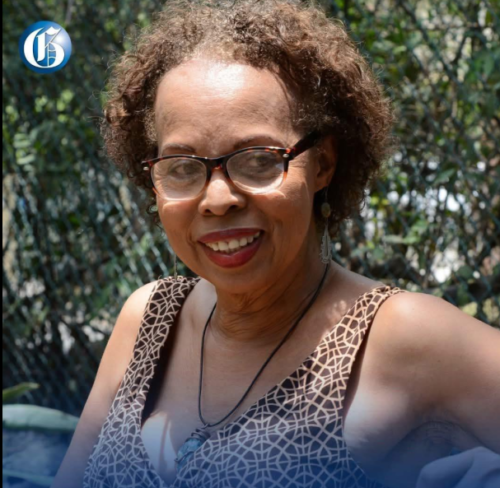
Following the suspected suicide of a St Andrew woman, a deeper conversation emerges about the silent crisis facing Jamaica’s elderly.
KINGSTON, Jamaica – As police investigate the suspected suicide of a St Andrew woman this week, mental health advocates are urging a national reckoning with how society treats—and often fails—its elderly population, particularly those grappling with loneliness, depression, and untreated psychological distress.
The tragedy underscores a painful reality: older adults facing mental health challenges are frequently stigmatized, dismissed as the “mad woman” or “mad man” in their communities, rather than met with compassion, support, or professional care.
“What they often need is not a label, but a listening ear,” said Dr. Simone Clarke, a clinical psychologist specializing in geriatric mental health. “Many are battling profound isolation, grief, untreated depression, or anxiety. Yet their cries for help are silenced by mockery, fear, or indifference. Something as simple as sharing thoughts over a cup of coffee or tea can be a lifeline.”
In Jamaica, where community bonds are traditionally strong, mental health professionals note a troubling gap in support for the elderly. Stigma, lack of awareness, and limited access to geriatric mental health services leave many to suffer in silence until crisis strikes.
“The narrative must shift from ridicule to recognition,” urged Marlon Brown, director of a local senior outreach initiative. “We must see the person behind the behavior—someone who may have lost a spouse, feels abandoned by family, or is struggling with chronic illness. Dignity and connection are powerful medicine.”
Experts emphasize that mental health conditions in older adults are not a normal part of aging, yet they are widely undertreated. Warning signs—such as social withdrawal, changes in appetite, neglect of self-care, or expressions of hopelessness—are too often overlooked.
As investigations into the St Andrew case continue, advocates are calling for increased community-based mental health programs, training for primary care providers, and public education to destigmatize mental illness among the elderly.
“This isn’t just one family’s loss,” Dr. Clarke added. “It’s a community’s wake-up call. Every elderly person deserves to be seen, heard, and cared for—not as a caricature, but as a human being.”
*If you or someone you know is experiencing emotional distress or suicidal thoughts, please reach out to the Ministry of Health & Wellness Mental Health and Suicide Prevention Helpline at 888-NEW-LIFE (639-5433).*