The Promise and Peril of Jamaica's Offshore Oil Ambitions
The Promise and Peril of Jamaica's Offshore Oil Ambitions Jamaica is standing at a real crossroads right now as it looks to start offshore oil drilling in...
Jamaica is standing at a real crossroads right now as it looks to start offshore oil drilling in our waters. The government has already signed production sharing agreements with a few big international oil companies, which tells you they're serious about tapping into whatever oil might be hiding under the Caribbean Sea. On paper, this move sounds like it could transform our economy—but let's be real, it also comes with some heavy environmental risks for an island that leans hard on tourism.
The Potential Economic Windfall
Right now, Jamaica imports nearly all of its petroleum, and that's costing us billions of dollars every single year. If we find commercial oil reserves, we could lighten that load, create jobs, and bring in some serious revenue. Just to give you an idea—if Jamaica produces only 10,000 barrels a day, we could save around $300 million a year on imports alone. The government is hoping to pull off what Trinidad and Tobago did, using their oil and gas wealth to build up infrastructure and social programs.
The Environmental Risks
Offshore drilling isn't new to the Caribbean, but we can't forget what happened with the 2010 Deepwater Horizon spill in the Gulf of Mexico. That was a nightmare. If a spill happened near Jamaica's north coast, it could wreck our coral reefs, mangroves, and the tourism industry—which makes up over 30% of our GDP. Environmental groups are already sounding the alarm, pointing out that we don't even have a solid spill response plan in place, and the potential harm to marine life is huge.
What This Means for Jamaicans
For the average Jamaican, this could cut both ways. On one side, lower energy costs might mean cheaper electricity bills and fuel prices. But on the flip side, any environmental disaster would hit fishing and tourism jobs hard—people's livelihoods. The government has to put strict regulations in place and actually talk to the communities that'll be affected. If oil is found, the revenue needs to be managed transparently, maybe through a sovereign wealth fund. Bottom line: Jamaicans need to stay informed and hold leaders accountable.
The Current Status
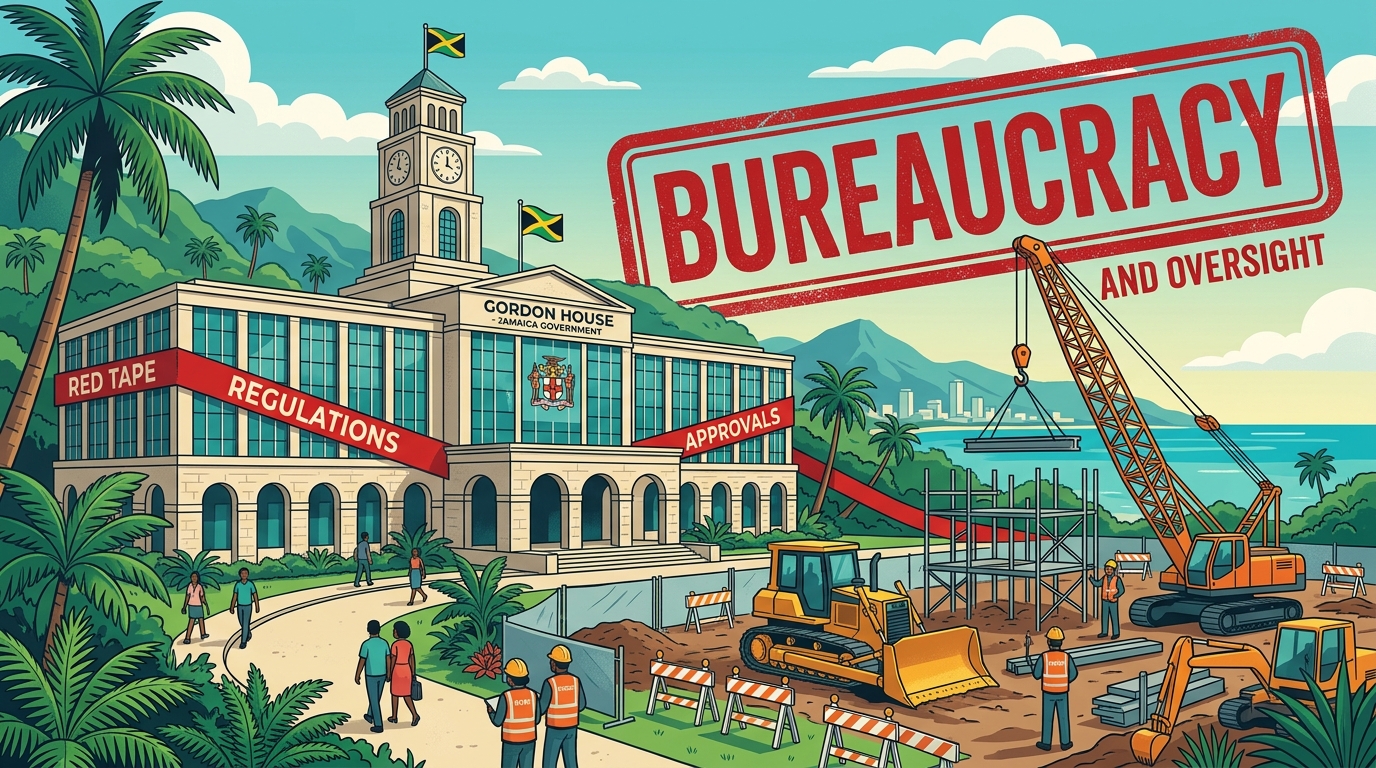
As of 2025, exploratory drilling is happening in the Walton Basin, south of Jamaica. Companies like Tullow Oil and United Oil & Gas have finished seismic surveys and are getting ready to drill test wells. The government says we should see initial results within two years. But you know how it goes—delays and regulatory hoops are still in the way.
Global Oil Price Context
Jamaica's oil plans are tied to global crude prices. Right now, with prices hovering around $80 a barrel, exploration makes financial sense. But if prices drop, these projects could become unprofitable. That's why the government is also looking into renewable energy as a backup. If you want to keep an eye on the financial side, you can check live BOJ Forex rates here to see how oil prices affect the Jamaican dollar.
Our Take
Our Take
Listen, mi love Jamaica, but dis oil ting is a double-edged sword. We need the jobs and the savings, but we can't afford to mash up we paradise. Remember when that oil spill happen in the Gulf? Dat could be us. And who gon' pay fi clean it? Not the companies, trust mi. The government better put strong laws in place and make sure we get a fair share. But if dem do it right, we could finally see lower prices at the pump. Just don't sell we soul fi crude. We have too much to lose.
Frequently Asked Questions
Is Jamaica's offshore oil drilling safe?
While modern technology has improved safety, offshore drilling always carries risks. Jamaica's regulatory framework is still developing, and environmental groups call for stronger oversight.
How will oil discovery affect electricity prices in Jamaica?
If commercial oil is found, it could reduce the cost of generating electricity, which relies heavily on imported oil. Savings might be passed to consumers, but this depends on government policy.
What is the timeline for Jamaica's first oil production?
Exploratory drilling is ongoing, but production is at least 5-10 years away if commercial quantities are confirmed. Significant investment and infrastructure development are needed.
Own or Inherited Land in Jamaica? Verify Registered Title Records Online
Don't leave family property at risk of capture or boundary disputes. Our researchers pull official National Land Agency (NLA) records and send a plain-English report with a WhatsApp voice note within 48 hours. $49.99 USD flat.
Check Land Title Records ($49.99) →Join 5,000+ Jamaicans in the Diaspora 🇯🇲
Get daily Jamaican news breakdowns, live forex rate alerts, customs duty tips, and exclusive diaspora guides straight to your phone.