
Jamaican Schools Get Powered Up With Solar, Laptops & Interactive Tech
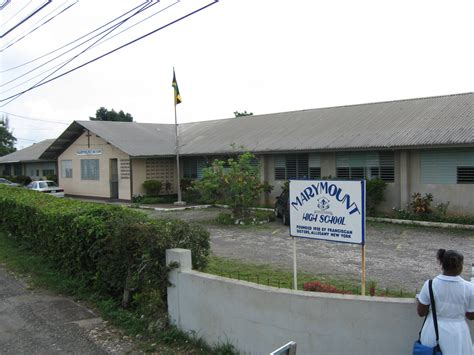
The e-Learning Jamaica Co. expands tech in schools, adding laptops, interactive boards, connectivity and solar panels to boost learning and resilience.
NOTE
Quick Summary
• e-LJam is delivering laptops, interactive panels, connectivity and solar power to over 2,000 Jamaican schools.
• The project aims to modernise classrooms, reduce power outages and improve teachers’ digital skill sets.
• Parents and students will see greater access to online learning resources and uninterrupted lessons.
What Happened
The Jamaican Information Service (JIS) announced that e‑Learning Jamaica Company Limited (e‑LJam) has rolled out a comprehensive technology upgrade in government schools across the island. The expansion includes the supply of laptops to both teachers and students, new interactive LCD panels for collaborative work, reliable network connectivity, and solar panels capable of sustaining classroom power needs when grid supply is intermittent. The project, coordinated through the Ministry of Education, targets approximately 2,000 public schools, with a phased implementation plan that began in October 2023 and is slated for completion by September 2025.
According to the ministry’s statement, the initiative is part of the broader Digital Skills for Jamaica programme, which seeks to empower educators with the tools and training necessary to incorporate technology into everyday teaching. The Minister of Education highlighted that the solar component will reduce dependence on diesel generators and lower the carbon footprint of schools, while the laptops and panels will enable blended learning models that blend face‑to‑face instruction with online instruction. The Ministry also noted that the project is supported by a partnership with the Jamaica Red Cross and local NGOs to ensure timely maintenance and sustainability.
What It Means for Jamaicans & the Diaspora
For Jamaican families, especially those in rural areas where electricity supply is unreliable, this programme means lessons will no longer be interrupted by curfew darkouts. Teachers equipped with laptops can now access digital lesson plans and real‑time resources, improving the quality of instruction and offering students a more engaging learning experience. The interactive panels enable collaborative projects and multimedia storytelling, skills increasingly vital in a digital‑first world. For diaspora Jamaicans, the expanded online access benefits children who are homeschooled or attend independent schools abroad, as they can now subscribe to the same e‑Learning platform used by children in the homeland, ensuring curriculum continuity and cultural connection.
Land Title Check
Know who legally owns the family land
We pull the official NLA title record and explain it in plain English, so you can act before a dispute starts.
$49.99 USD flat8-hour rush +$15
- Official NLA records
- Pay by card or PayPal
The solar panels reduce operational costs for schools and the Ministry, freeing funds that can be reinvested in classroom materials or teacher professional development. The project also supports a national agenda to mitigate climate change impacts while building resilience against future power disruptions.
Actionable Guidance & What to Do Next
- School Administrators: Request a detailed implementation schedule from e‑LJam and coordinate with local vendors for on‑site support.
- Teachers: Enrol in the Ministry of Education’s digital skills workshops to maximize use of the new laptops and interactive panels.
- Parents: Encourage children to explore the e‑Learning platform’s available modules; schools will hold orientation sessions in the coming months.
- Diasporic Learners: Sign up for the portal’s teacher‑approved content to align your child’s curriculum with Jamaican educational standards.
All relevant forms and timelines are posted on the Ministry of Education’s website (www.moe.gov.jm) and the e‑LJam portal (www.eljam.com). Stakeholders are urged to report any technical issues immediately through the hotline 077‑222‑3333 to ensure swift resolution.
Let's Make Jamaica Better & Start Businesses Together
Get practical email updates with real business opportunities, community initiatives, land & investment guides, and actionable ways we can build together.
Frequently Asked Questions
How will the solar panels affect daily school operations?
The solar panels will provide a reliable power source during evening classes and power outages, reducing the need for backup generators and ensuring uninterrupted lessons.
What support is available for teachers new to digital tools?
The Ministry is offering mandatory training workshops, instructional videos, and a helpdesk helpline to assist teachers in integrating laptops and interactive panels into their lesson plans.
Apostille & Documents
Get Jamaican documents accepted abroad
Apostille for birth, marriage and police certificates, handled with the Ministry of Foreign Affairs in Jamaica.
From $219 USDPrice depends on the document
- Pay by card or PayPal
- WhatsApp +1 (207) 613-5240
Make Jamaica Better & Start Businesses Together
Join thousands of Jamaicans at home and across the diaspora. Receive regular email updates on practical business opportunities, community initiatives, land & investment guides, and actionable ways we can build together.