How the NaRRA Bill Dismantles Public Oversight in Jamaica
How the NaRRA Bill Dismantles Public Oversight in Jamaica By HowJamaica Staff | 2026 07 29 Following Hurricane Melissa, Jamaica is rushing its largest...
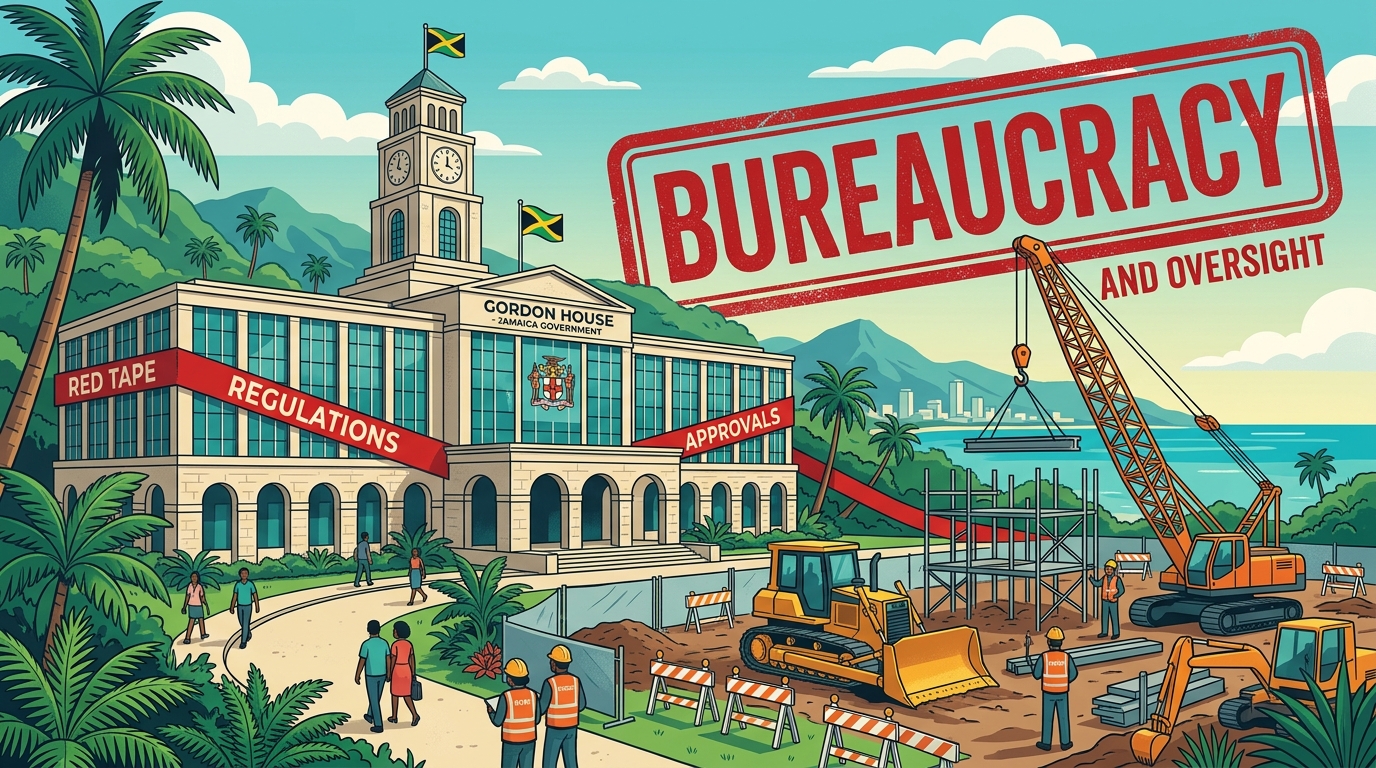
Following Hurricane Melissa, Jamaica is rushing its largest-ever public works budget through the newly proposed NaRRA Bill. But how could a recovery law legally dismantle standard anti-corruption safeguards? It comes down to a few key loopholes that bypass local authorities and transparency.
Bypassing Local Zoning Authorities
Normally, a massive post-disaster housing project requires strict local zoning approvals. Under NaRRA, however, the central Minister can legally override local municipal planning decisions and approve a bill without any public notice. This "step-in order" allows the government to completely bypass local councils if they reject a project for violating zoning laws.
Compromised Financial Oversight
What about financial oversight? The NaRRA bill allows the agency's own CEO to handpick the internal auditor responsible for watching them. This puts the selection of the watchdog directly in the hands of the person being watched.
Hidden Budgets and Contractors
Even worse, while the government mandates a public register for these projects to appear transparent, the law intentionally omits the contractor's name, the exact cost, and the funding source from that record. The public project register strips out the most important details.
Legal Indemnity for Officials
Normally, if a public official mismanages funds, they are forced to personally repay the missing money—a penalty known as a surcharge. But the NaRRA bill explicitly grants the CEO legal indemnity, protecting them from personal financial liability.
By stripping local authority, hiding the money, and shielding the boss, this framework bypasses standard public oversight. Multi-million dollar developments can now get built by undisclosed contractors with zero local municipal oversight and absolutely no one held financially responsible.
Own or Inherited Land in Jamaica? Verify Registered Title Records Online
Don't leave family property at risk of capture or boundary disputes. Our researchers pull official National Land Agency (NLA) records and send a plain-English report with a WhatsApp voice note within 48 hours. $49.99 USD flat.
Check Land Title Records ($49.99) →Join 5,000+ Jamaicans in the Diaspora 🇯🇲
Get daily Jamaican news breakdowns, live forex rate alerts, customs duty tips, and exclusive diaspora guides straight to your phone.