Why Private Well Drilling is Strictly Regulated in Jamaica
Private well drilling in Jamaica is strictly regulated by the Water Resources Authority (WRA) to prevent salt water intrusion and contamination of our...
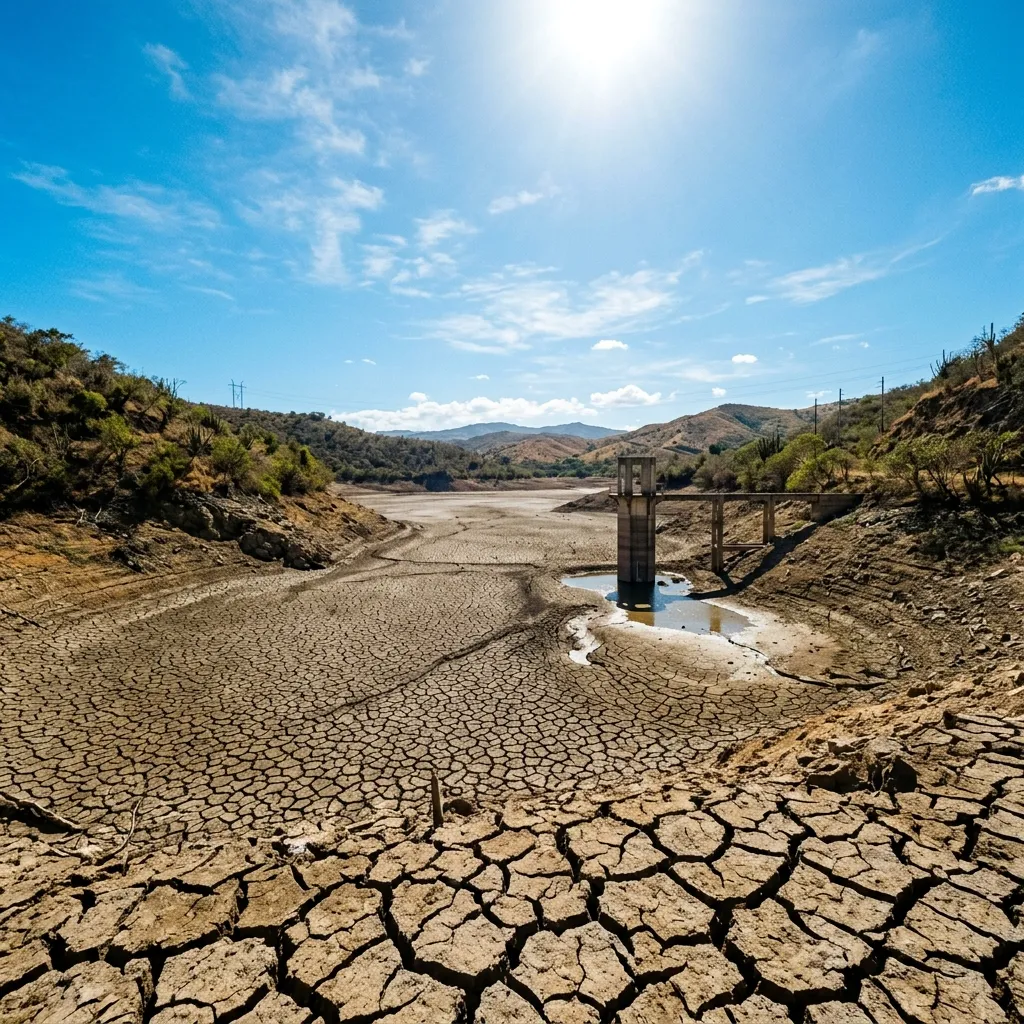
Private well drilling in Jamaica is strictly regulated by the Water Resources Authority (WRA) to prevent salt water intrusion and contamination of our limited underground freshwater aquifers. Without these strict rules, unregulated drilling would ruin the island's freshwater supply, leaving everyone thirsty and our agriculture sector destroyed.
Quick Summary
- Jamaica relies heavily on underground limestone aquifers for its fresh water.
- Over-pumping from private wells pulls seawater into the fresh water supply.
- The WRA requires strict licensing, testing, and monitoring before anyone can drill a well.
- Once an aquifer is contaminated with salt water, it is practically impossible to reverse.
- Illegal drilling can result in massive fines and criminal charges.
If you own a piece of land in Jamaica, especially in areas where National Water Commission (NWC) service is spotty, you might think the easiest solution is to hire a crew and drill your own well. After all, the water is right there under your feet, right? Wrong. The Jamaican government does not play around when it comes to well drilling. The Water Resources Authority monitors every single hole punched into the ground, and for a very good reason.
Jamaica is an island surrounded by the Caribbean Sea. A massive percentage of our fresh drinking water doesn't come from rivers or reservoirs; it comes from underground aquifers stored in porous limestone rock. These aquifers are like giant underground sponges soaking up rainwater. Fresh water is less dense than salt water, so it basically floats on top of the seawater deep underground.
When you drill a well and start pumping water out, you create a cone of depression. If you pump too much, or if too many people in the same area are pumping at once, that fresh water layer gets thin. Suddenly, the heavier salt water from the ocean pushes up and mixes with the fresh water. This is called saline intrusion. Once your well starts pumping salt water, the game is over. You can't un-mix it. You've ruined the aquifer not just for yourself, but for your neighbours, local farmers, and the entire parish.
This is exactly why the WRA acts like a strict headmaster when it comes to well drilling. Imagine if every hotel on the North Coast decided to bypass the NWC and dig their own wells to fill their swimming pools and water their golf courses. The coastal aquifers in St. Ann and St. James would be contaminated with seawater in a matter of months.
To prevent this catastrophe, anyone who wants to drill a well must go through a rigorous application process. You have to hire certified hydrogeologists to survey the land. You have to pay application fees, which can run into hundreds of thousands of Jamaican dollars. The WRA will assess the proposed extraction rate. If they determine that your well will put stress on the aquifer, they will deny the permit flat out.
If you're in the diaspora, you can support your family back home by ordering their groceries directly from howjamaica.com/shop at local prices. It saves them the hassle of going to the supermarket, leaving them more time to deal with the realities of property management and navigating Jamaican bureaucracy.
Let's talk about the agricultural sector. In parishes like Clarendon and St. Catherine, farming is big business. Sugar cane, bananas, and ground provisions require massive amounts of irrigation. Many large farms rely on well water. During a severe drought, the WRA keeps a close eye on these agricultural wells. If the water table drops to a dangerous level, the WRA has the authority to order farmers to reduce their pumping or shut down the wells entirely until the rains return. It sounds harsh, but it is a necessary evil to protect the long-term viability of the water supply.
Pollution is another massive factor. If you drill a well improperly, you create a direct pipeline for surface contaminants to reach the pristine groundwater. Think about the fertilizer runoff from farms, the soakaway pits from houses, or the industrial waste from factories. If an unregulated, poorly constructed well allows that nasty runoff to seep down into the limestone aquifer, it poisons the drinking water for entire communities. The WRA mandates specific casing and sealing techniques to ensure that dirty surface water cannot run down the sides of the well pipe.
What happens if you try to outsmart the system and drill a well in the dead of night? The WRA has field officers who constantly patrol and inspect properties. They use satellite imagery and coordinate with local parish councils. If you get caught operating an illegal well, the consequences are severe. You will be hit with massive fines, your expensive drilling equipment could be seized, and the WRA will force you to cap the well at your own expense. It is a costly mistake that no property owner wants to make.
The strict regulations are not there to stifle development or frustrate citizens. They exist to secure our future. Water is a finite resource, and on a small island, the margin for error is razor-thin. We don't have infinite glaciers or massive continental lakes to draw from. Every drop of fresh water underground is precious. The WRA's heavy-handed approach ensures that we don't accidentally turn our drinking water into brine.
Own or Inherited Land in Jamaica? Verify Registered Title Records Online
Don't leave family property at risk of capture or boundary disputes. Our researchers pull official National Land Agency (NLA) records and send a plain-English report with a WhatsApp voice note within 48 hours. From $29.99 USD flat.
Check Land Title Records (From $29.99) →Join 5,000+ Jamaicans in the Diaspora 🇯🇲
Get daily Jamaican news breakdowns, customs duty tips, and exclusive diaspora guides straight to your phone.