The Real Reason Groceries in Jamaica Cost More Than in Florida: Prepare to Be Mad
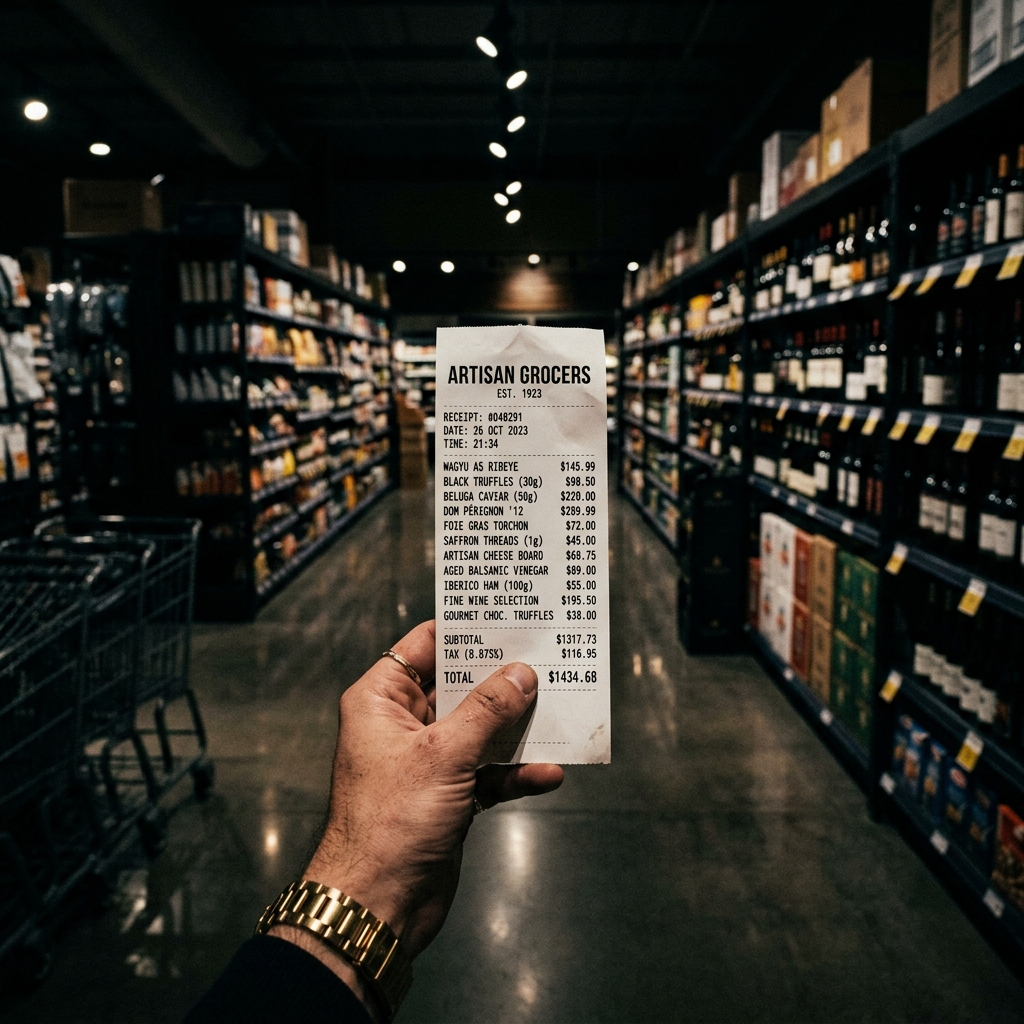
Why are groceries in Jamaica so expensive? The shocking truth about distributor markups and how to beat them.
We all know the cost of living is rising, but when a basket of basic groceries in a Kingston supermarket rings up higher than a luxury grocery store in Miami, something is deeply wrong with the system.
The Supply Chain Secrets
We dug deep into the supply chain, and the truth isn't just global inflation. Between hidden "convenience taxes," massive local distributor markups, and artificial scarcity, Jamaican consumers are being quietly squeezed dry every time they hit the checkout line.
When an imported good arrives at the wharf, it naturally attracts duties. But that doesn't explain why a box of imported cereal that costs $3 USD in Florida is being sold for the equivalent of $12 USD locally.
Yard Box Care Packages
Send a full box of home to family
Ready-made Jamaican grocery boxes, packed in Jamaica and delivered to their door. Pick a size and check out.
J$6,800 to J$22,000about US$43 to 138
- Delivered in all 14 parishes
- Pay by card or PayPal
The Three Biggest Rip-Offs in the Aisles:
- Imported Dairy & Cheeses: Marked up by over 300% before they even hit the shelves.
- Health and Beauty Products: Things like basic organic soaps and lotions carry a massive "luxury" markup locally.
- Canned Goods: Distributors are artificially inflating prices by claiming "shipping delays" that were resolved months ago.
The "Barrel Syndicate" Solution
Consumers are finally fighting back. The solution? A new wave of "barrel syndicates" is sweeping through neighborhoods in Portmore and Kingston.
Let's Make Jamaica Better & Start Businesses Together
Get practical email updates with real business opportunities, community initiatives, land & investment guides, and actionable ways we can build together.
Groups of 5 to 10 neighbors are pooling their money together to buy wholesale goods directly from Miami or New York using family members abroad. They ship a jumbo barrel down, split the clearing cost, and divide the goods.
"I haven't bought cereal, soap, or canned milk in a local supermarket in six months," a mother of three in St. Catherine told us. "I save about $40,000 JMD a month just by splitting a barrel with my co-workers."
If you aren't looking into alternative importing methods yet, you are simply throwing your salary away to enrich the massive distributor monopolies.
Land Title Check
Know who legally owns the family land
We pull the official NLA title record and explain it in plain English, so you can act before a dispute starts.
$49.99 USD flat8-hour rush +$15
- Official NLA records
- Pay by card or PayPal
Make Jamaica Better & Start Businesses Together
Join thousands of Jamaicans at home and across the diaspora. Receive regular email updates on practical business opportunities, community initiatives, land & investment guides, and actionable ways we can build together.