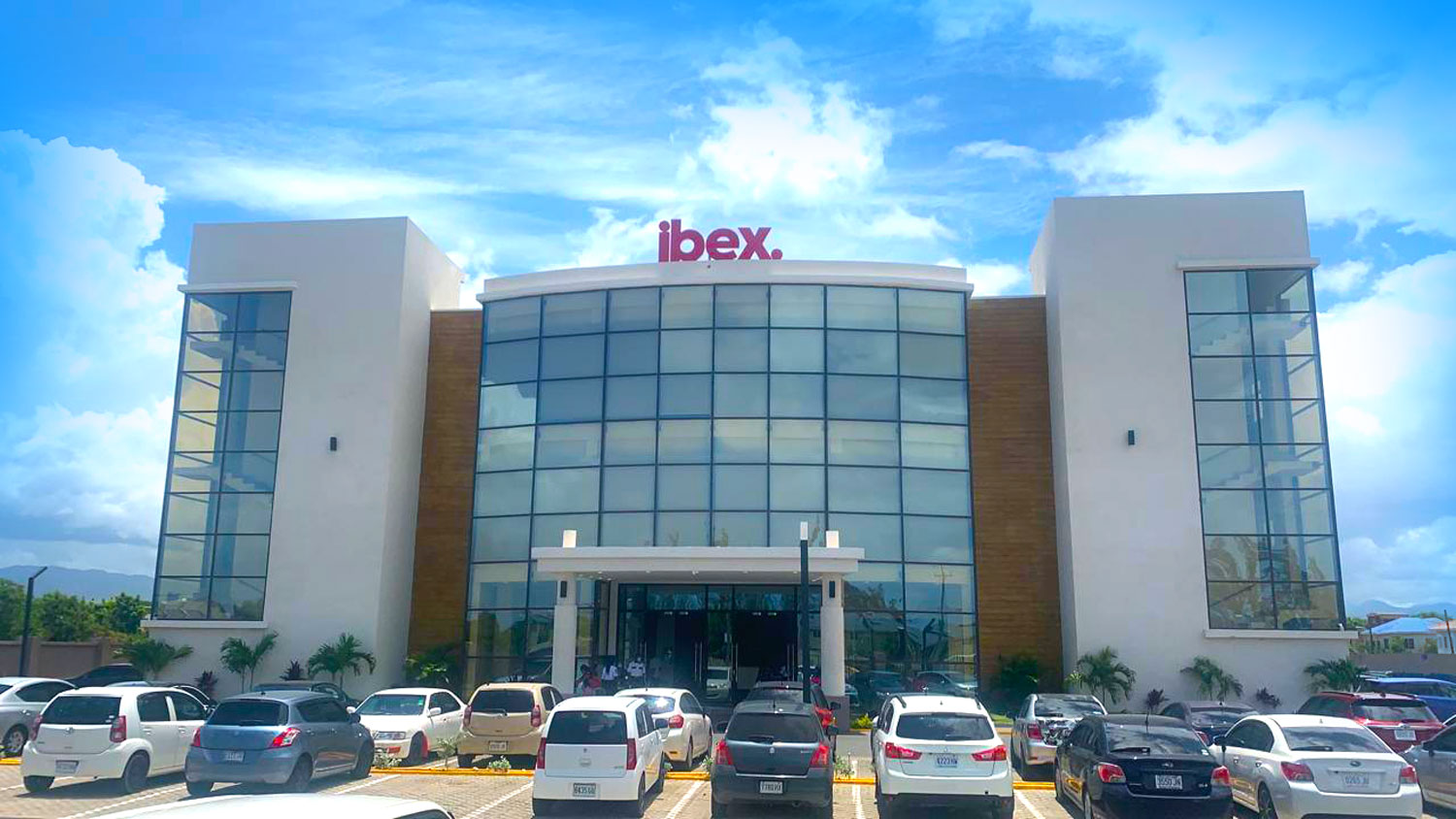
Scotiabank Jamaica Acquisition Explained: What it Means for Diaspora Banking
Scotiabank Jamaica acquisition explained: Discover how the sale to JMMB and GraceKennedy affects diaspora banking, remittances, and your accounts in the USA.

If you’re a Jamaican living in the USA, you’ve probably heard the buzz: Scotiabank Jamaica is being bought by a group led by JMMB Group and GraceKennedy Limited. The deal is worth about J$80 billion (that’s US$520 million), and it’s shaking up Jamaica’s banking scene big time. But let’s be real—what does this actually mean for you? The diaspora member who uses Scotiabank to send money home, save for that trip, or handle a mortgage back in Jamaica? In this article, we’re breaking down the Scotiabank Jamaica acquisition in plain, no-nonsense talk. We’ll focus on what’s changing for Jamaican expats and what’s staying the same.
The Deal at a Glance
Back in late 2024, Scotiabank dropped the news: it’s selling its Jamaican operations—all 49 branches, the digital platforms, and the corporate banking side—to a local consortium. The buyers? A partnership between JMMB Group (a big financial player) and GraceKennedy (you know them for food, but they’re deep in financial services too). The deal should wrap up by mid-2025, but it’s waiting on the green light from the Bank of Jamaica and the Financial Services Commission.
Why is Scotiabank Leaving Jamaica?
Honestly, Scotiabank’s parent company, Bank of Nova Scotia, is pulling back to focus on its main markets: Canada, the USA, and Mexico. Jamaica’s been profitable, sure, but it’s not a core focus anymore. They’ve already sold off operations in other Caribbean spots like Trinidad and Tobago and the Bahamas. For the diaspora, this means a trusted international name is passing the baton to local players. It’s a big shift.
What This Means for the Diaspora
If you’re a Jamaican living in the States, chances are you’ve got at least one account with Scotiabank Jamaica—maybe for sending cash to family, saving for a visit, or investing in property. Here’s how this acquisition could hit you:
1. Account Transitions and Continuity
Your existing Scotiabank Jamaica accounts? They’re getting moved to the new company, which they’re calling “JMMB Grace Financial” for now (that’s a working title). The good news is the transition should be smooth: your account numbers, balances, and transaction history won’t change. But you might get new debit or credit cards and updated online banking logins. Scotiabank says they’ll keep service levels steady during the switch.
2. Remittance Services
Scotiabank’s popular remittance options—like Scotia Transfer and their Western Union tie-ups—will keep running under the new owners. The consortium says they’re keeping these services, but watch out: fees and exchange rates could shift over time. As a diaspora member, it’s smart to shop around. Compare with National Commercial Bank (NCB) or Sagicor Bank to make sure you’re not getting a raw deal.
3. Cross-Border Banking
Here’s a big one for you: right now, you can use your Scotiabank Jamaica debit card at Scotiabank ATMs in the USA with no fees. After the acquisition, that perk is likely gone. The new entity won’t have a US presence, so you’ll have to lean on partner ATMs or digital wallets like Zelle or PayPal to move your money around.
4. Mortgage and Loan Customers
If you’ve got a mortgage or loan with Scotiabank Jamaica, relax—your terms aren’t changing. The new bank will honor every existing contract. But if you’re planning to apply for a loan in the future, things might look different. JMMB and GraceKennedy might focus more on local collateral and income checks, which could mean stricter rules for diaspora borrowers.
Practical Advice for the Diaspora
So, what should you do to stay ahead? Here’s a quick list:
- Stay Informed: Check your email and Scotiabank Jamaica’s website regularly. They’ll send updates with specific dates for the transition.
- Update Contact Info: Make sure your US phone number and address are current in your online banking profile. Don’t let them lose track of you.
- Consider Opening a US-Based Account: If you’re hooked on fee-free ATM access, open an account with a US bank that doesn’t charge foreign transaction fees. Charles Schwab or Capital One 360 are solid options.
- Diversify Remittance Channels: Don’t rely on just one way to send money. Check out Wise, Remitly, or NCB’s mobile app for competitive rates.
- Review Loan Terms: If you’re thinking about a mortgage in Jamaica, start the process before the acquisition closes. That way, you can lock in current terms.
The Future of Diaspora Banking
This acquisition is part of a bigger trend: local ownership in Jamaican banking is on the rise. Sure, it might mean fewer international banks around, but it also opens the door for fresh ideas tailored to local needs. JMMB and GraceKennedy already have strong ties to the diaspora—GraceKennedy runs remittance services in the USA, for instance. Expect them to roll out new products aimed at expats, like diaspora-specific savings accounts or investment options.
Conclusion
Look, the Scotiabank Jamaica acquisition is a big deal, but it doesn’t have to stress you out. Stay proactive, understand what’s changing, and you’ll keep your finances on track. At the end of the day, banking is still about saving, sending, and borrowing money. The only difference is who’s behind the counter now.
What’s your take on the acquisition? Drop your thoughts in the comments below or join the chat on our Facebook page.
Own or Inherited Land in Jamaica? Verify Registered Title Records Online
Don't leave family property at risk of capture or boundary disputes. Our researchers pull official National Land Agency (NLA) records and send a plain-English report with a WhatsApp voice note within 48 hours. From $29.99 USD flat.
Check Land Title Records (From $29.99) →Join 5,000+ Jamaicans in the Diaspora 🇯🇲
Get daily Jamaican news breakdowns, live forex rate alerts, customs duty tips, and exclusive diaspora guides straight to your phone.