How to Read the JSE Tables Like a Pro Investor
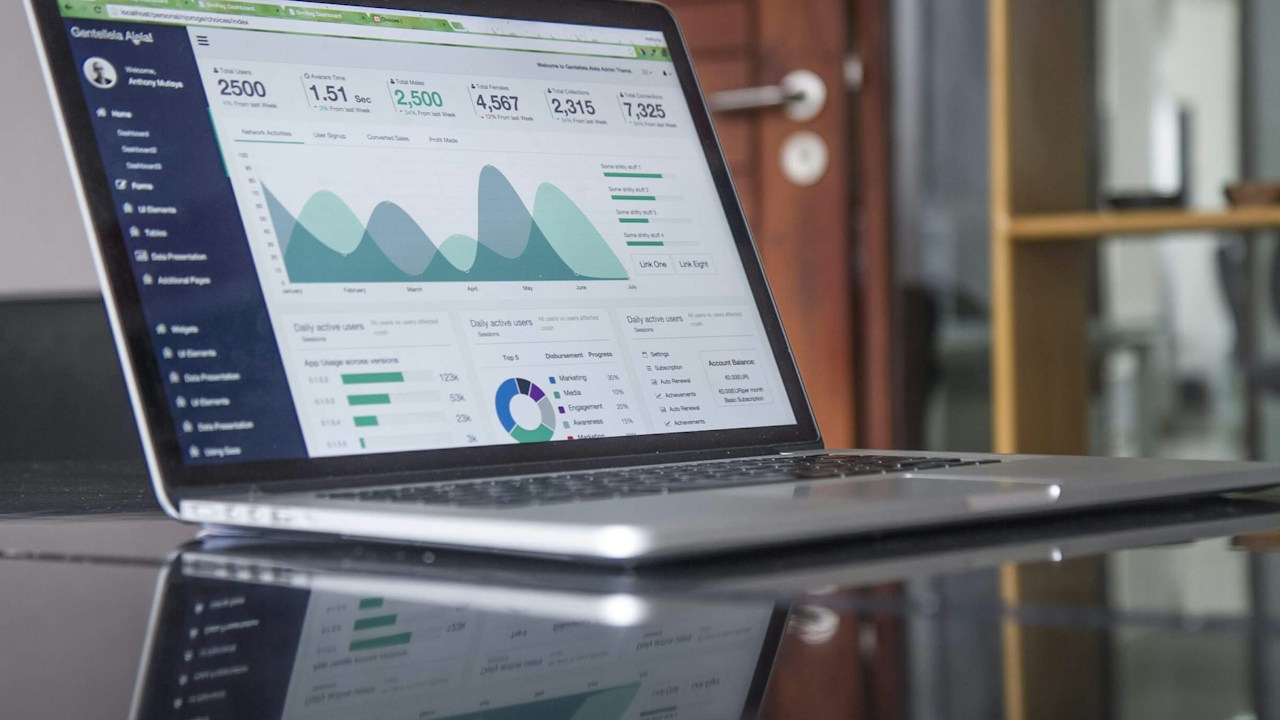
Stop squinting at the JSE tables. Learn what the columns mean, how to read prices, and how to trade with confidence.
[!NOTE]
Key Takeaways:
* The JSE tables list the Bid (what buyers offer) and Ask (what sellers want); the Last Sale is the most recent trade price.
* Volume shows shares traded, while Close is the final price of the day. A dash means no trade occurred.
* You need a JCSD account and a broker to move from reading the tables to actually buying stocks.
Executive Summary & Background
For decades, the Jamaica Gleaner’s business section has been the go-to source for the island’s financial pulse. But for many, those dense columns of numbers under "JSE" look like a secret code. Whether you are a seasoned investor in Kingston or a member of the diaspora in Toronto or London looking to invest back home, knowing how to decode these tables is your first step toward building wealth in Jamaica. It is not just about watching prices go up and down; it is about understanding the market's liquidity and finding the right entry point.
The Jamaica Stock Exchange (JSE) is one of the most dynamic in the Caribbean, frequently ranking among the world's best-performing markets. However, its unique structure—split between the Main Market and the Junior Market—means the tables can be confusing. This guide cuts through the jargon. We will break down exactly what each column means, how to interpret the data, and the official steps you need to take to move from spectator to shareholder.
Key Jamaican Laws, Regulations & Requirements
To understand the tables, you must first understand the framework that produces them. The JSE operates under the Jamaica Stock Exchange Act and is regulated by the Financial Services Commission (FSC). The tables you see in the Gleaner are essentially a daily report card of this regulated environment.
The most critical column you will see is the distinction between the Main Market and the Junior Market. The Junior Market offers tax incentives to smaller companies, which often makes their stock prices more volatile. You will also see columns for "Volume Traded" (the number of shares exchanged) and "Value Traded" (the total dollar amount). If you are in the diaspora, you must also be aware of the JCSD (Jamaica Central Securities Depository). You cannot hold shares in your hand; they are held electronically in a JCSD account, which is a legal requirement for ownership.
Step-by-Step Actionable Process
Reading the tables is step one, but here is how you actually use that information to invest:
- Decode the Columns: Look for the stock symbol (e.g., NCBFG for NCB Financial Group). The "Bid" is the highest price a buyer is willing to pay right now. The "Ask" is the lowest price a seller will accept. The "Last Sale" is what the stock actually sold for last. If the Bid and Ask are far apart, the stock is illiquid—meaning it might be hard to sell later.
- Check the Volume: A high price with zero volume is a "ghost" price. Look at the "Volume" column. If a stock is priced at $50 but only 100 shares traded, you might not be able to buy 1,000 shares at that price. You need volume to enter and exit a position easily.
- Open a JCSD Account: You cannot buy directly from the JSE. You must go through a licensed broker (like NCB Capital Markets, JMMB, or Sagicor). They will help you open a JCSD account, which is your legal proof of ownership.
- Place Your Order: Once your account is funded, you tell your broker to buy. You can place a "Market Order" (buy at the best available price) or a "Limit Order" (buy only if the price drops to a specific amount). The tables will update once your trade is executed.
- Monitor the Gleaner: The Gleaner publishes the JSE tables daily (usually the next day's paper). Use these to track your portfolio's performance and decide if you need to adjust your strategy.
Frequently Asked Questions
What does a dash (-) mean in the JSE tables?
A dash in the "Volume" or "Close" column means that no shares of that particular stock were traded on that day. The stock is still listed, but there was simply no buyer and seller who could agree on a price.
Can I buy JSE stocks directly from the USA or UK?
No, you cannot buy directly from the JSE. You must use a licensed Jamaican broker who is a member of the JSE. Many brokers now have online portals that allow diaspora clients to trade remotely, but you still need to complete the JCSD account opening process.
Join 5,000+ Jamaicans in the Diaspora 🇯🇲
Get daily Jamaican news breakdowns, customs duty tips, and exclusive diaspora guides straight to your phone.