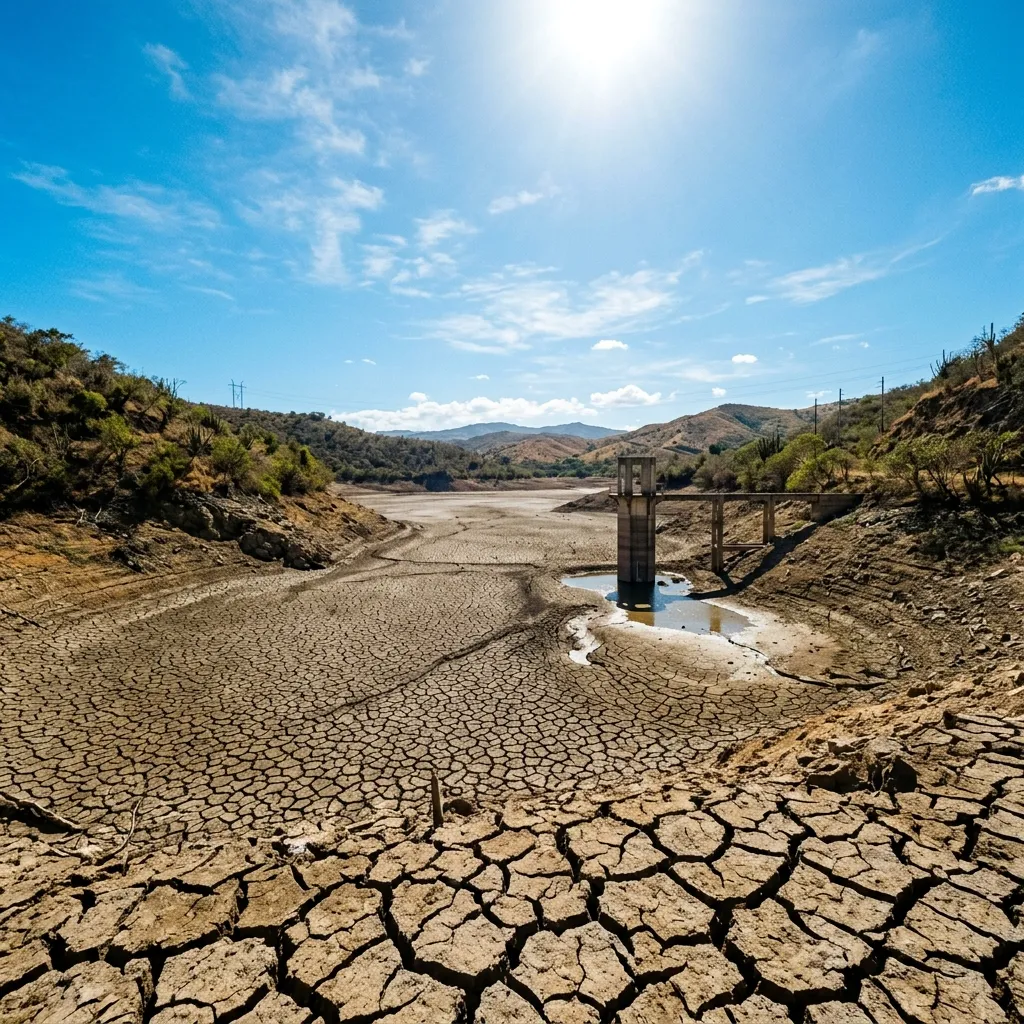
Jamaica in Grips of Worst Drought Since 2015
Jamaica faces a severe drought in 2026, hitting St. Elizabeth hardest. Farmers lose crops, NWC schedules water, and residents walk miles for water. Read the latest.
Jamaica in Grips of Worst Drought Since 2015
KINGSTON, Jamaica – If you've been feeling the heat lately, you're not alone. St. Elizabeth is really getting it rough as the 2026 drought tightens its grip on the island. By mid-April, folks in places like Junction and Santa Cruz are saying their water tanks are running dry, and some haven't had a proper shower in over a week.
The National Water Commission (NWC) tells us this drought is hitting all 14 parishes, but the southern belt—St. Elizabeth, Manchester, and Clarendon—is getting the worst of it. NWC spokesman Mark Thomas told HowJamaica.com that our major reservoirs, like the Hermitage Dam in St. Andrew and the Rio Cobre system in St. Catherine, are down to just 40 percent capacity. “We're asking everyone to conserve as much as possible. The dry season came early this year, and we're not expecting any real rain until June,” Thomas said.
Take Miss Patricia Gordon, a 58-year-old farmer in Bull Savannah, St. Elizabeth. She's in a desperate spot. “Mi have fi walk two miles every morning to fetch water from a standpipe. The pipe only run for two hours, and if yuh late, yuh miss out. Is not easy, but we a manage. The government need to send more tankers, because the one we get come every three days, and that not enough,” she said.
The drought's also hammering our farmers. In the breadbasket parish, they're reporting big losses in crops like scallion, tomato, and sweet potato. The Jamaica Agricultural Society warns that if rain doesn't come soon, we could see food prices spike by summer. “We're already seeing some vegetables go up by 20 percent in Coronation Market,” said president Lenworth Fulton.
Over in Kingston, the NWC has started a water-scheduling system, with some areas getting water only every other day. Business owners are feeling the pinch too. At a small hotel in Negril, manager David Chang says they've had to buy two extra tanks just to store water for guests. “We can't afford to turn away visitors because of no water. It's costing us an extra $50,000 a month just to truck in water,” he said.
The Meteorological Service says a weak La Niña pattern is developing, but it might not bring enough rain to break the drought until late May or early June. They're urging everyone to store water when you can and to report any leaks to the NWC right away.
What can you do? Start collecting rainwater if you have a tank—every drop counts. Fix those leaky pipes around your home, and try to limit washing cars and watering lawns. For updates on water trucking schedules, check the NWC's social media pages or call their hotline at 888-225-5692.
Need help? Email us at admin@howjamaica.com.
Own or Inherited Land in Jamaica? Verify Registered Title Records Online
Don't leave family property at risk of capture or boundary disputes. Our researchers pull official National Land Agency (NLA) records and send a plain-English report with a WhatsApp voice note within 48 hours. From $29.99 USD flat.
Check Land Title Records (From $29.99) →Join 5,000+ Jamaicans in the Diaspora 🇯🇲
Get daily Jamaican news breakdowns, live forex rate alerts, customs duty tips, and exclusive diaspora guides straight to your phone.