How to wholesale solar components for local hardware stores
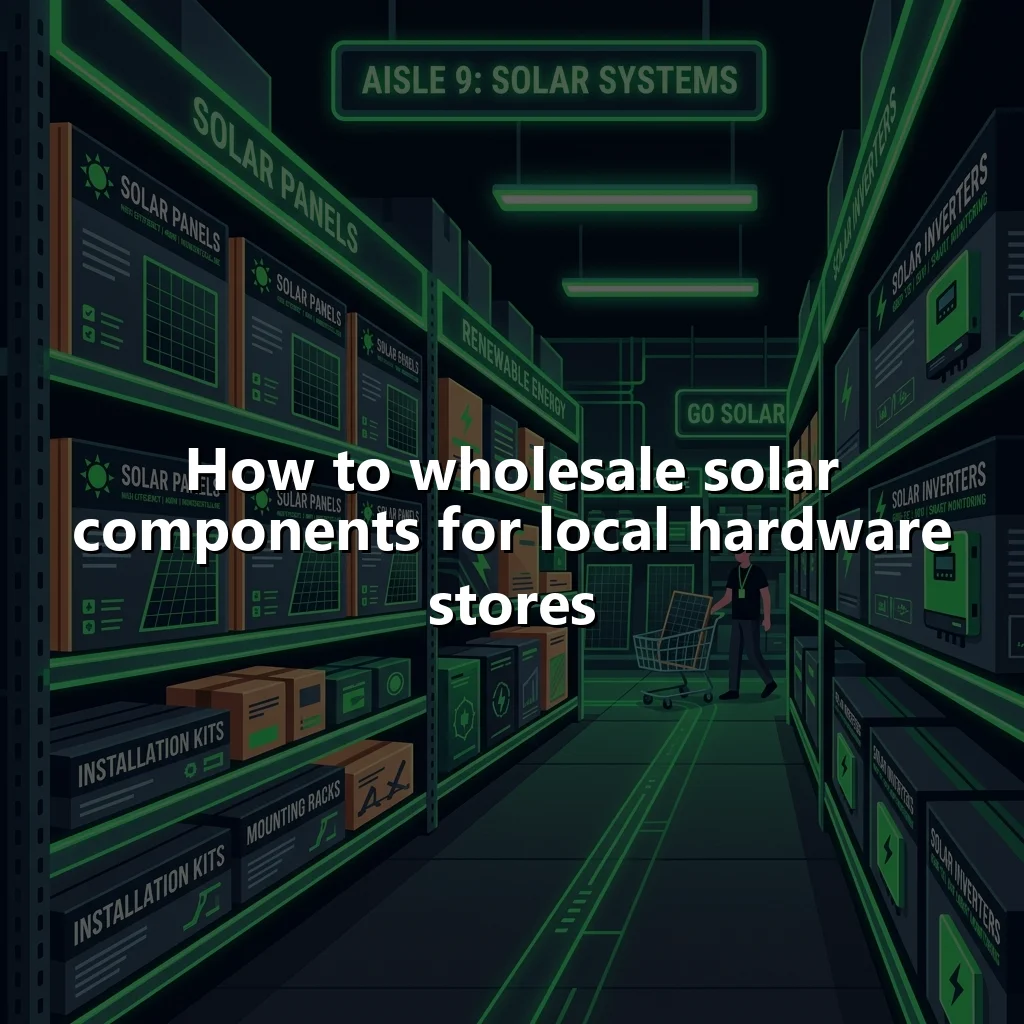
A guide for hardware store owners looking to add lucrative renewable energy parts to their shelves.
With solar energy blowing up all across Jamaica, local hardware stores have a golden opportunity right in front of them. DIY folks and local electricians are constantly scrambling for basic solar parts, and the last thing they want is to drive all the way to Kingston just to grab a cable or a connector. Stock your shelves with the right stuff, and you’ll see those repeat sales stack up fast.
Apostille & Documents
Get Jamaican documents accepted abroad
Apostille for birth, marriage and police certificates, handled with the Ministry of Foreign Affairs in Jamaica.
From $229 USDPrice depends on the document
- Pay by card or PayPal
- WhatsApp +1 (207) 613-5240
What to Stock First
Don’t go crazy buying expensive, complicated hybrid inverters right off the bat. Instead, stick to the fast-moving, everyday items that every single solar job needs. Here’s what to keep in stock:
- Solar Cable (PV Wire): 10 AWG and 12 AWG in both red and black.
- MC4 Connectors and Crimping Tools.
- DC Breakers and Combiner Boxes: Anything from 16A up to 125A.
- Aluminum Mounting Rails and Z-Brackets.
Sourcing Directly
If you want to make real wholesale margins, you’ve got to cut out the middleman. Skip the local distributors and go straight to the source. Reach out to big electrical component manufacturers in China or use B2B platforms to connect with global suppliers. You can bundle your orders for cables and breakers into LCL (Less than Container Load) sea freight shipments. That way, shipping stays cheap compared to how much stuff you’re bringing in.
B2B Marketing
Once your stock is in, get the word out to independent solar installers and electricians in your parish. Hook them up with trade discounts or even open line-of-credit accounts. When those installers know they can swing by your store for a missing MC4 connector or a spool of wire instead of waiting days for a delivery from Kingston, you’ll become the go-to spot they can’t live without.
Need help? Email us at admin@howjamaica.com.
Practical Cost Breakdown and JPS Interconnection Rules in Jamaica
Before purchasing equipment or signing an installation contract, compare the landed hardware cost against local warranty support across Kingston, Montego Bay, Mandeville, and Ocho Rios. Under the current Jamaica Public Service (JPS) Net Billing framework and Office of Utilities Regulation (OUR) guidelines, grid-tied and hybrid systems require a licensed electrician inspection and a certificate of approval from the Government Electrical Inspectorate (GEI) inside the Ministry of Science, Energy, Telecommunications and Transport.
- Standard 3kW to 5kW Hybrid System: J$850,000 to J$1,450,000 installed (approx. US$5,400 to US$9,300), including one 5.12kWh LiFePO4 battery bank and roof mounting rails rated for hurricane wind loads.
- 8kW to 12kW Whole-Home System: J$1,850,000 to J$3,200,000 installed (approx. US$11,800 to US$20,500), capable of running inverter mini-split air conditioning units, water pumps, and kitchen appliances simultaneously.
- GEI Inspection and JPS Net Billing Application: Budget J$25,000 to J$65,000 in electrical inspection and administrative filing fees, with typical processing windows of 4 to 8 weeks once wiring diagrams are submitted.
- Customs Exemption Verification: True solar photovoltaic panels, lithium solar battery banks, and hybrid solar inverters qualify for zero customs duty and GCT exemptions under Jamaica Customs Agency renewable energy tariff codes when properly classified on the commercial invoice.
What to Check Before Paying a Deposit
- Verify GEI Registration: Ask the contractor or technician for their current Government Electrical Inspectorate licence number and confirm they have completed installations in your parish.
- Confirm Local Warranty Replacement: Imported inverters and lithium batteries exposed to coastal salt air in St. James, St. Ann, Portland, or St. Thomas need surge protection devices (SPDs) on both the AC and DC sides. Confirm whether a faulty board is swapped locally in Kingston or shipped overseas at your expense.
- Size Your Surge and Transfer Load: Always install a dedicated voltage protector and automatic transfer switch rated for JPS grid fluctuations between 110V and 220V after scheduled outages.
What to Do Next
Request an itemized quotation that separates panel wattage, inverter model number, battery chemistry (LiFePO4 vs lead-acid), copper cabling gauge, and GEI inspection fees before paying a 50% hardware deposit.
Frequently Asked Questions
Do I need a GEI electrical inspection for How to wholesale solar components for local hardware stores?
Yes. Any permanent residential or commercial solar, inverter, or heavy electrical installation in Jamaica requires inspection and certification by the Government Electrical Inspectorate (GEI), especially if you connect to the JPS grid or maintain home perils insurance.
Are solar panels and inverters duty-free at Jamaica Customs?
Yes. Qualified solar panels, solar charge controllers, lithium solar batteries, and hybrid inverters are exempt from import duty and General Consumption Tax (GCT) at Jamaica Customs when imported with an accurate commercial invoice.
Land Title Check
Know who legally owns the family land
We help you inspect the public land register and explain what it shows in plain English, so you can act before a dispute starts. Independent service, not the NLA.
From $29.99 USDPriority 1–3h $49.99 · Standard 24–30h $29.99
- Public register research
- Pay by card or PayPal
Make Jamaica Better & Start Businesses Together
Join thousands of Jamaicans at home and across the diaspora. Receive regular email updates on practical business opportunities, community initiatives, land & investment guides, and actionable ways we can build together.